GROUP Visit to the museum exposition on the island of St. Anastasia
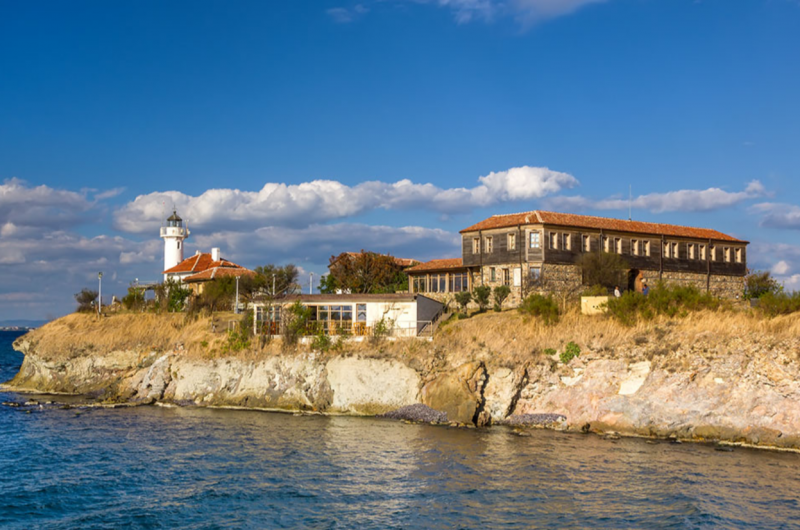
Price - BGN 6. Duration - 1 hour Discover the history of St. Anastasia Island! The museum exposition consists of separate rooms that tell historical facts, as well as the legends associated with the unique island. IMPORTANT - Travel to St. Anastasia with the municipal catamarans "Anastasia" and "Burgus", which sail from Shop 1 of the Port of Bourgas. During the summer season, ships depart at 10:00, 13:30 and 17:00. Tickets are purchased before departure at the tourist information center in the store. The stay on the island is 2 hours. Catamarans do not travel in bad weather, potentially dangerous for passengers! Phone for information - 0882 004 124
Visit to the museum exposition on the island of St. Anastasia
Discover the history of St. Anastasia Island! The museum exposition consists of separate rooms that tell historical facts, as well as the legends associated with the unique island. IMPORTANT - Travel to St. Anastasia with the municipal catamarans "Anastasia" and "Burgus", which sail from Shop 1 of the Port of Bourgas. During the summer season, ships depart at 10:00, 13:30 and 17:00. Tickets are purchased before departure at the tourist information center in the store. The stay on the island is 2 hours. Catamarans do not travel in bad weather, potentially dangerous for passengers! Phone for information - 0882 004 124
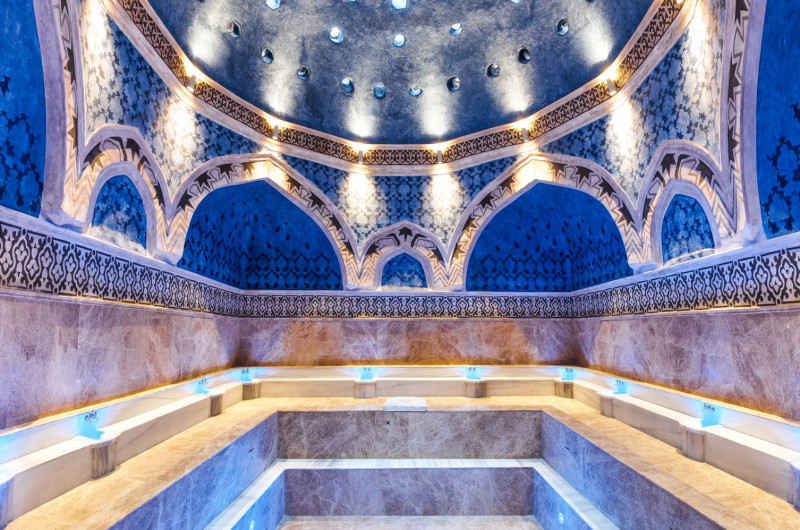
Group Visit to the "Bath of Suleiman the Magnificent" Museum – Aquae Calidae, with a 3D Projection
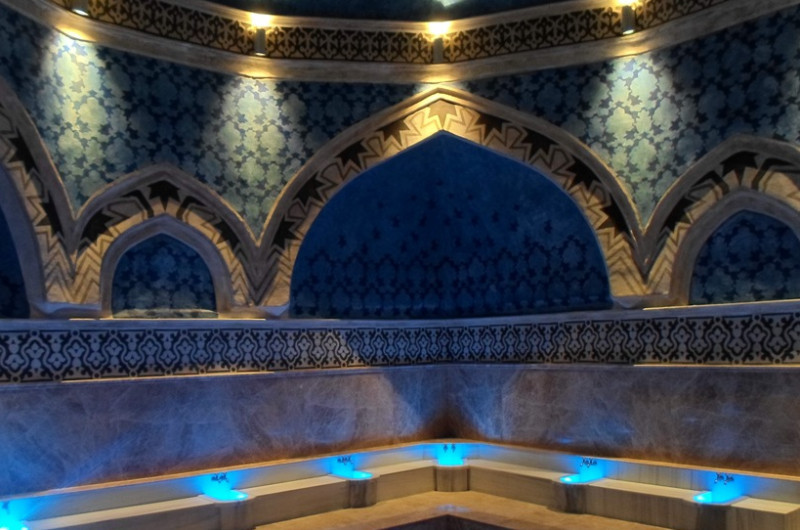
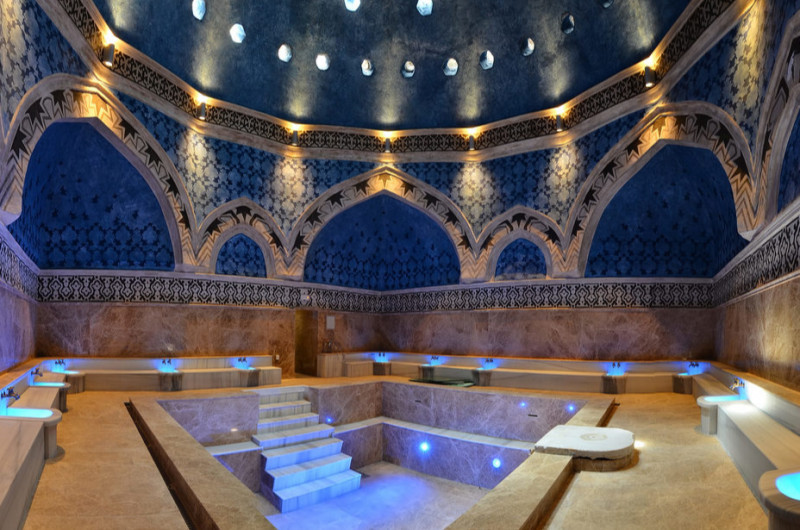
Discover the history of Aquae Calidae through an organized group visit to the "Bath of Suleiman the Magnificent" museum. This visit offers groups of over 20 people the opportunity to explore the site's historical heritage, view the restored bath, and trace its past through a specially prepared 3D projection. Price for a group visit: 3.00 EUR per person. Opening hours: Tuesday – Sunday: 09:00 – 17:00
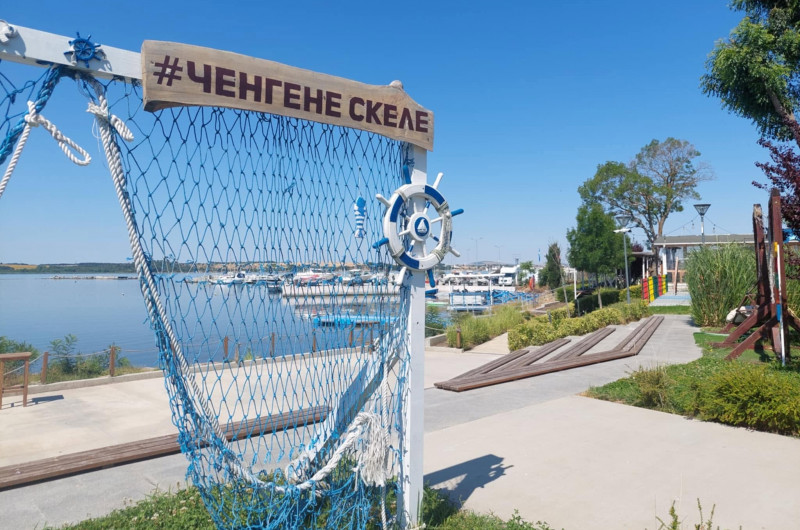
GROUP visit to the museum exhibitions at KTK Chengene Skele
The Chengene Skele Tourist Complex is located approximately 15 km south of Burgas and preserves the fishing traditions, way of life, and cultural heritage of the local community. In the three exhibition houses—"Tayfa," "Buruntiya," and "Evksinski Pont"—visitors can learn about the history of the Black Sea, as well as fishing crafts, customs, beliefs, and legends. Group tickets are available for visiting the exhibitions at the following rates: Standard group ticket – €3.00 per person. Group ticket for students and individuals receiving an old-age pension – €2.00 per person. Purchase Terms: Minimum quantity per purchase: 20 tickets. The prices listed are per visitor. Preferential rates apply when purchasing a minimum of 20 tickets in a single order.
Venue: Cultural and Tourist Complex Chengene skele
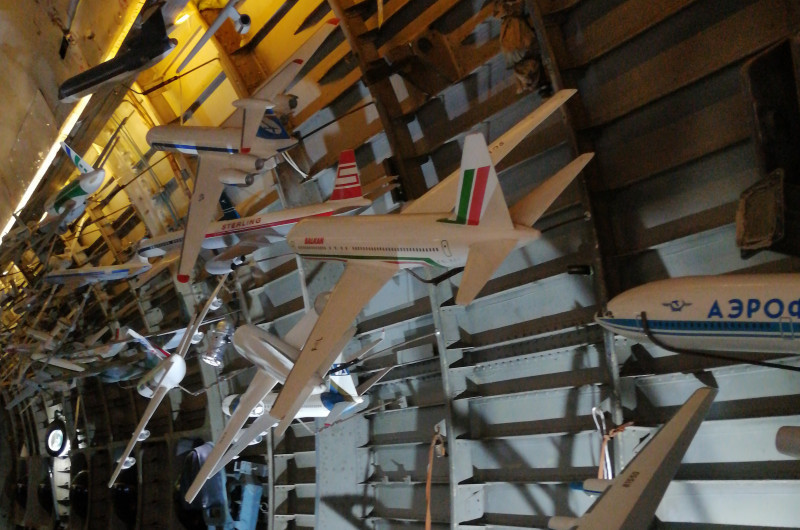
Price: Talk in Bulgarian - BGN 20. Talk in English / Russian - BGN 50 * The ticket is valid during the working hours of the museum! The newest attraction of the Municipality of Bourgas is located at the entrance of Bourgas Airport and is close to Sarafovo. Every visitor can get there by public transport bus (№ 15), bicycle or personal car, all with safe and easy access. During the winter period (November-April) the museum will be open from 09:00 to 17:00. no day off.
Visit the "Bath of Suleiman the Magnificent" Museum at the Aquae Calidae Tourist Complex, featuring a 3D projection
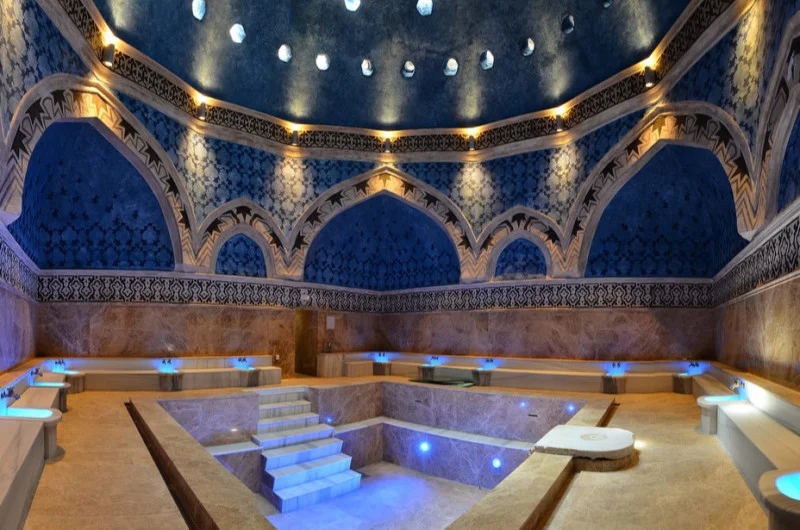
Visit the "Bath of Suleiman the Magnificent" museum at the Aquae Calidae tourist complex and immerse yourself in the history of one of the most significant historical sites in the Burgas region. Explore the restored bath, discover its cultural and historical heritage, and experience fascinating moments from the past through a specially prepared 3D projection. Ticket Prices: Standard ticket – 3.50 EUR. Students and pensioners – 2.50 EUR. Children under 3 years of age and persons with disabilities – Free. Children aged 3 to 6 (up to their 7th birthday) – 1.50 EUR. Opening Hours: Tuesday – Sunday: 09:00 – 17:00.
Visit to the Aqua Calide Interactive Exhibition Centre
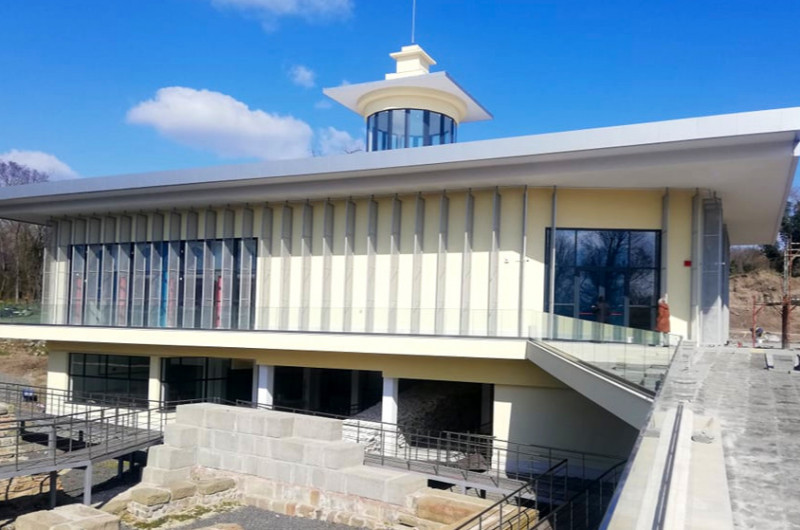
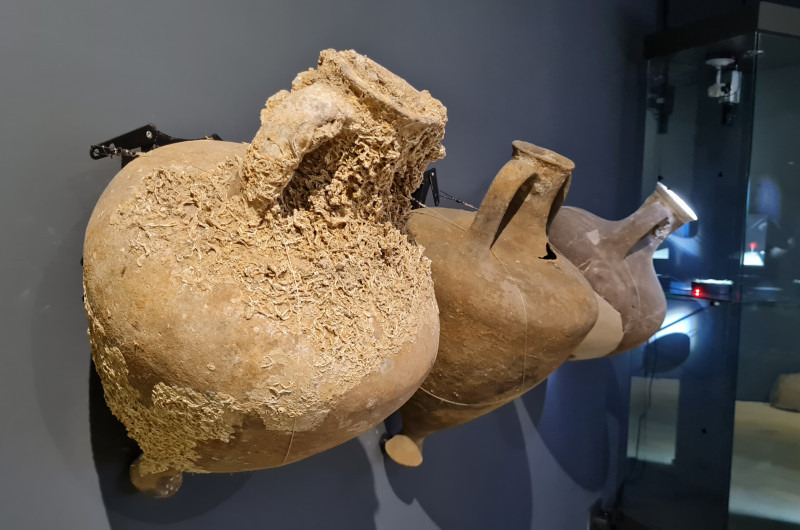
Aqua Calide is a unique historical site near Burgas, combining a thousand-year-old cultural heritage with modern interactive technologies. Visitors have the opportunity to explore the history of the ancient city of Therma, renowned for its mineral springs, and discover the remains of Roman baths, fortress walls and medieval structures. The visitor tour includes a museum exhibition featuring valuable archaeological finds, an interactive and virtual zone, as well as access to authentic archaeological remains dating back to the Roman and Byzantine periods. A special highlight is the fully restored bathhouse of Suleiman the Magnificent, where visitors can enjoy an impressive 3D projection. Through modern visual technology, the presentation tells the story of the site – from the Thracian period and the legend of the Sacred Spring of the Three Healing Nymphs to the era of Suleiman the Magnificent. Tickets and Additional Services Standard admission ticket – €7.00. Individual guided tour in Bulgarian or English – €30.00 (advance booking required). Opening Hours Museum Exhibition: Tuesday – Sunday: 09:00 – 17:00
Visit to the Aquae Calidae Museum Complex with a 3D Projection
The Aquae Calidae Tourist Complex, located in the Vetren district near Burgas, is a unique historical site with a history spanning millennia, now transformed into a modern cultural and tourist center. The site preserves valuable archaeological evidence from various historical eras, linked to the development of the ancient city of Therma and its renowned mineral springs. Visitors can explore the museum exhibition featuring archaeological finds, learn about the history of the ancient Roman baths, and visit the restored bathhouse of Suleiman the Magnificent. The experience is enhanced by a special 3D projection that presents the history of Aquae Calidae, turning the visit into a journey through different historical periods. Tickets and Admission Fees Standard ticket – 8.00 EUR. Ticket for students and pensioners – 7.00 EUR. Free admission for children under 3 years of age and persons with disabilities. Ticket for children aged 3 to 6 (up to their 7th birthday) – 5.00 EUR. Organized group visits (over 20 people) – 7.00 EUR per person. Opening Hours Museum Exhibition: Tuesday – Sunday: 09:00 – 17:00
Visit to the museum exhibitions at KTK Chengene Skele
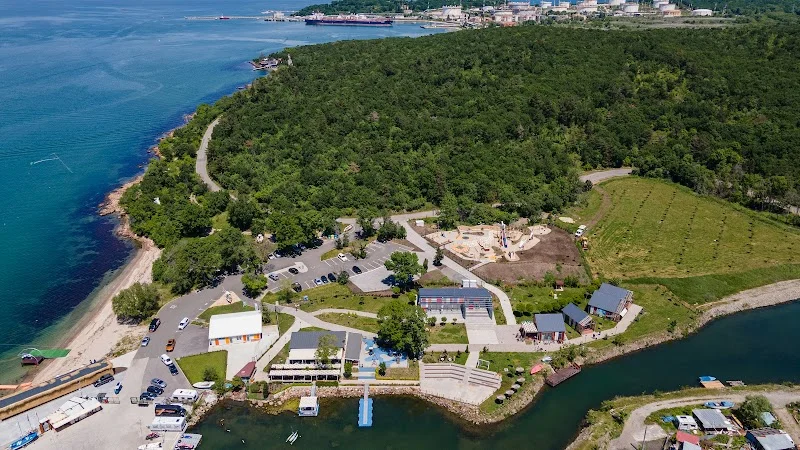
Chengene Skele is a small fishing settlement located approximately 15 km south of Burgas, where traditional fishing practices and customs have been preserved to this day. The tourist complex features three exhibition houses – Taifa, Buruntia and Euxine Pont – which tell the story of the Black Sea, traditional fishing customs and the everyday life of local fishermen. Visitors can enjoy demonstrations of fishing net weaving, rope-making and traditional nautical knots, as well as learn about local beliefs, legends and customs. Traditional food tastings are also offered. The complex also includes a small restaurant and a café, where visitors can enjoy traditional specialities prepared according to old recipes, along with a selection of refreshing drinks. A multifunctional indoor venue and an outdoor amphitheatre provide suitable facilities for hosting a variety of cultural, social and other events, both indoors and outdoors. Those looking for seaside activities can visit the small beach next to the complex or embark on a boat trip from the nearby marina, enjoying the beautiful scenery and some of the most spectacular sunsets over Burgas Bay. Opening Hours Summer Season: Monday – Friday: 10:00 – 21:00 Winter Season: Monday – Friday: 10:00 – 18:00 Tickets and Admission Fees Admission to the exhibition houses at the Chengene Skele Tourist Complex is subject to an entrance fee, with the following ticket categories: Standard ticket – €3.50 Reduced ticket for students and retired persons entitled to a pension based on length of service and age – €2.50 Free admission for children under 3 years of age and persons with disabilities Ticket for children aged 3 to under 7 – €1.50 Guided Tours and Audio Guide To enhance their experience and gain a deeper understanding of the exhibitions, visitors can take advantage of the following additional information services: Audio guide available in Bulgarian, English, Russian or German – €5.00
Venue: Cultural and Tourist Complex Chengene skele
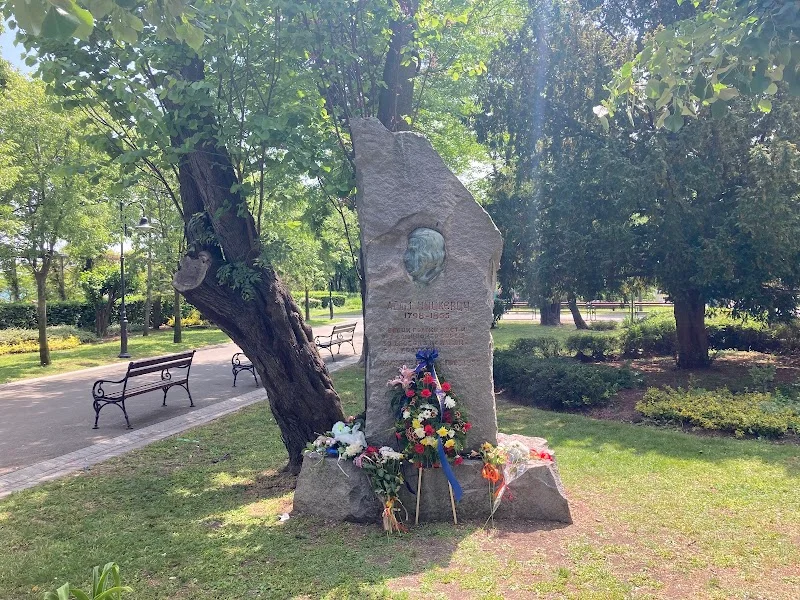
Towering over Burgas' bustling city center, the statue of Adam Mickiewicz stands as a testament to the enduring legacy of Poland's renowned poet and national hero. Featuring the iconic figure in a contemplative pose, this striking landmark offers a glimpse into the rich cultural ties between Bulgaria and its eastern European neighbor, inviting visitors to explore the shared histories and literary traditions that have shaped the region.
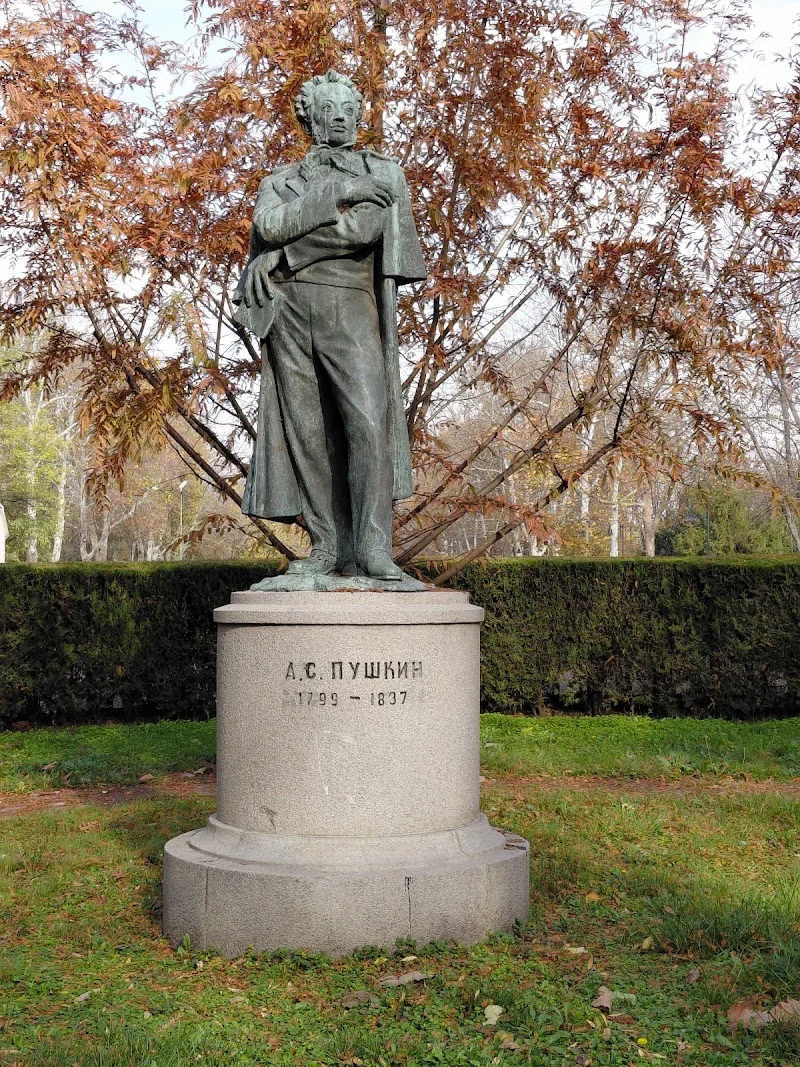
Alexander Sergeyevich Pushkin (1799–1837) is regarded as the father of modern Russian literature and one of the greatest poets in world history. Works such as Eugene Onegin, Boris Godunov, Ruslan and Lyudmila, and A Feast During the Plague have long been established as world classics. His connection to Burgas is a fascinating one — his son, General Alexander Alexandrovich Pushkin, commanded the 13th Narva Hussar Regiment, part of Lermontov's "flying detachment," which liberated the city from Ot
The cultural figures of Bulgaria have always occupied their great and deserved place in the spiritual life of Bulgaria and Burgas. Some of the most talented Bulgarian artists are natives of Burgas, who left a bright mark on the cultural heritage of Bulgaria. The alley was created in the 90s of the 20th century. Here are placed the busts of Nikolay Luskov (1910-1944), Velislav Dramov (1919-1944), Asen Zlatarov (1885-1936), Adam Mitskevich (1798-1855). The monuments of the great Hristo Fotev and
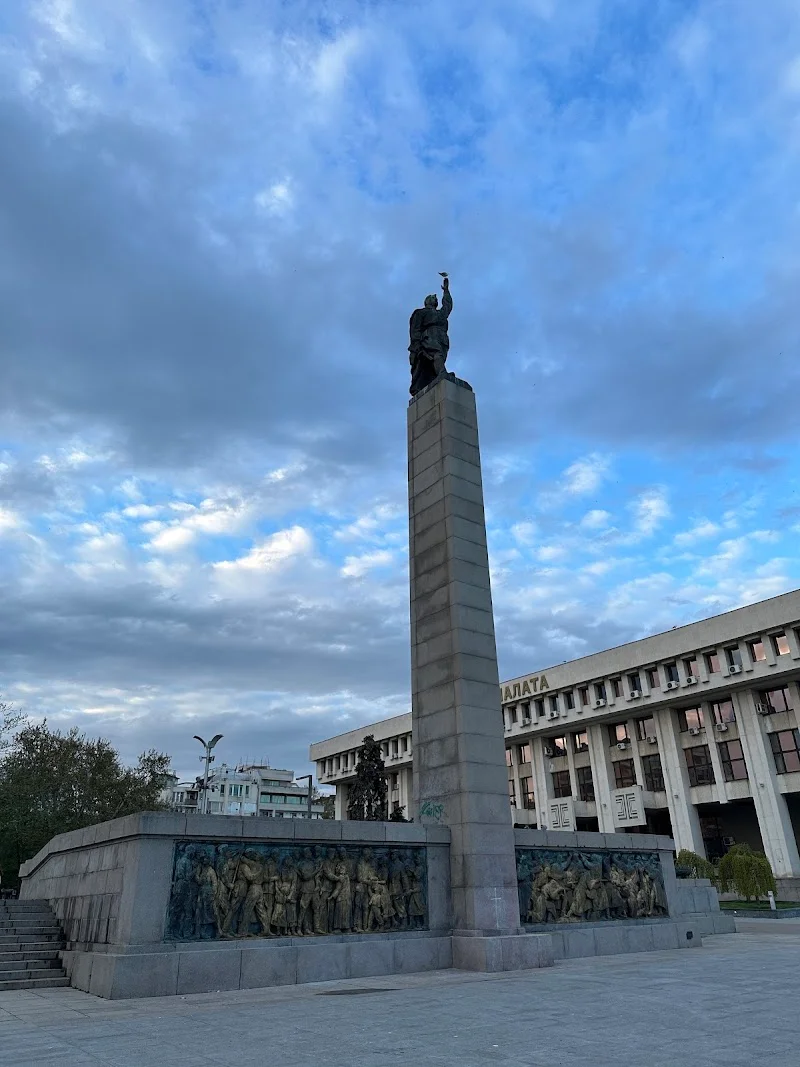
The Monument to the Soviet Army, known by the name Alyosha, is situated on Troykata Square and stands as one of the most recognizable landmarks in Burgas. The sculpture depicts a Soviet soldier with his left arm raised toward the sky and reaches a height of approximately 18 metres. The reliefs adorning the monument portray scenes from the Second World War, as well as the welcoming of Soviet Army soldiers upon their arrival in Burgas. Build between 1952 and 1953, the monument is the work of arch
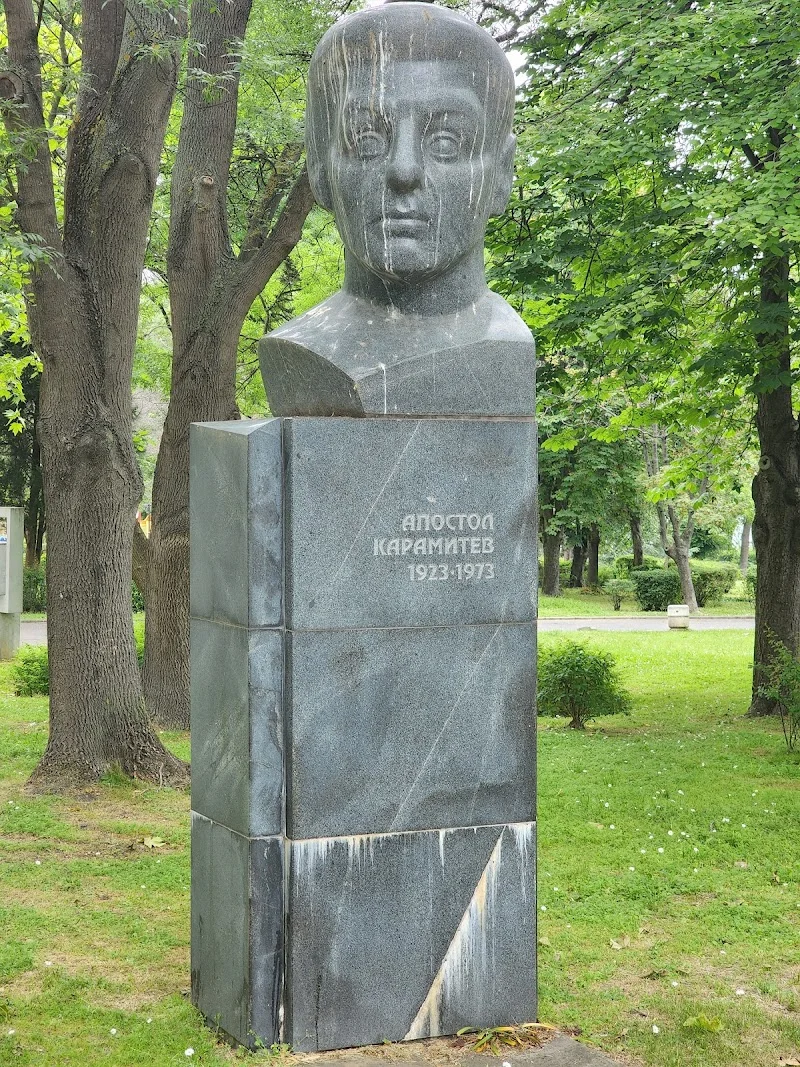
Nestled in the heart of Burgas, the Apostol Karamitev monument stands as a testament to the city's rich history and cultural heritage. Dedicated to a prominent 19th-century Bulgarian merchant and philanthropist, this striking landmark offers visitors a glimpse into the region's past, while also serving as a gathering place for locals and tourists alike to appreciate the city's architectural beauty and vibrant atmosphere.
Here is the professional English translation: This place, steeped in thousands of years of history, draws its visitors with a wide variety of opportunities for relaxation and entertainment. The archaeological treasures discovered on the site — the fortress walls of the ancient city of Therme (Thermopolis), the Roman baths from the 1st century AD with warm and cold pools, and various medieval chambers — are accessible to tourists via purpose-built modern walkways that facilitate movement and exp
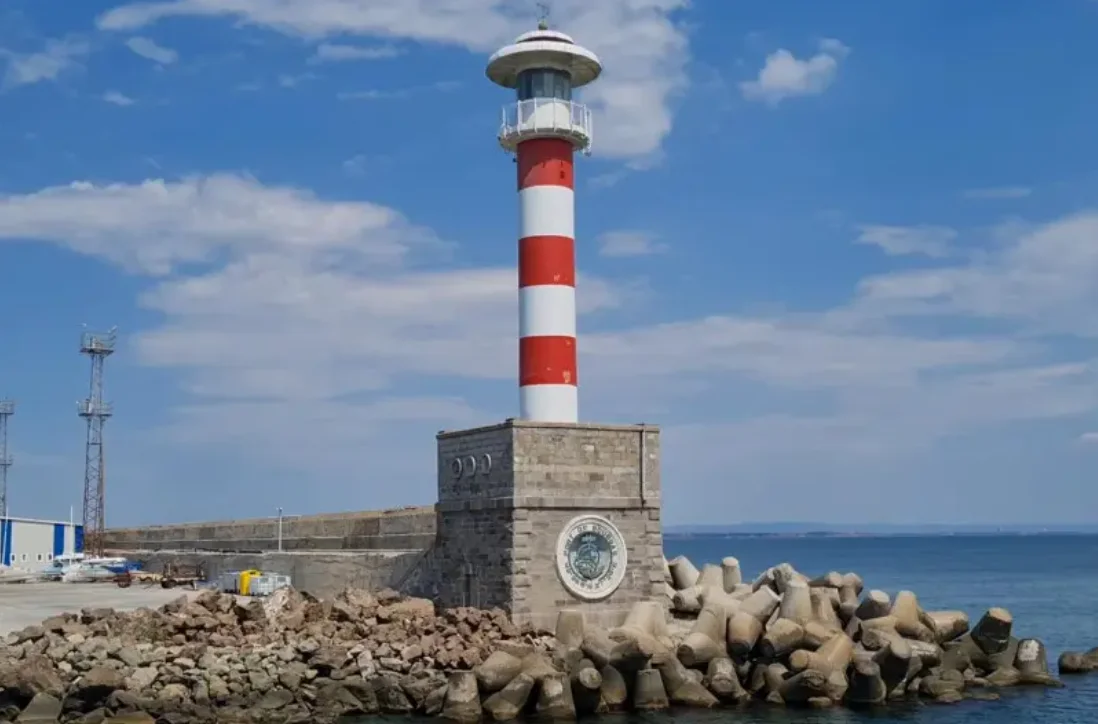
The Lighthouse is in the territory of the largest Bulgarian port – Port Burgas. It stands out due to the fact that it’s the first Bulgarian port lighthouse, lit at the end of the 19th century. The model was designed by the first double-bass player of Burgas – Sabi Denev. According to legend, the lighthouse of a seaside city must be protected, or bad things will befall the city. The tower is 14m high and the part that lights up the way for the ships is 24m above sea level. Until the present day
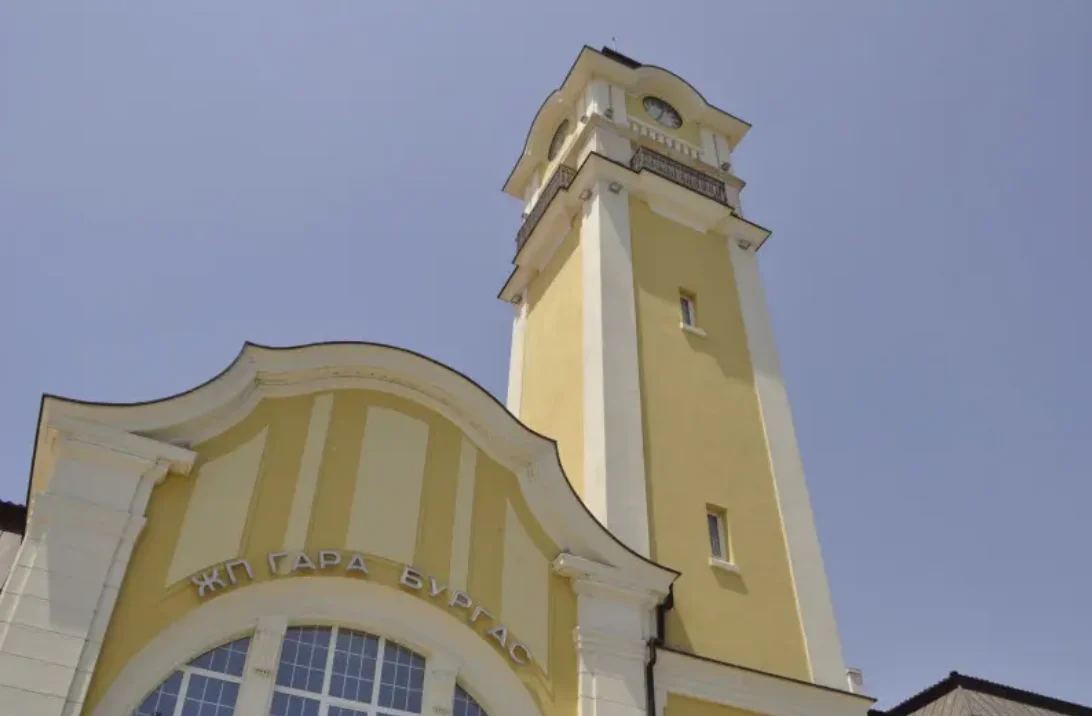
Burgas Central Railway Station is located in the centre of the city, at the beginning of the main street of the city Aleksandrovska, on the square "Tsaritsa Yoana" (also called Station Square). The location is key - close to the Sea Garden, not far from the Marine Station, Central Beach and Port of Burgas. Right next to the station is Bus station "South" with lines to all settlements on the southern Bulgarian Black Sea coast, Varna and Burgas Airport. Construction of the building began in 1908,
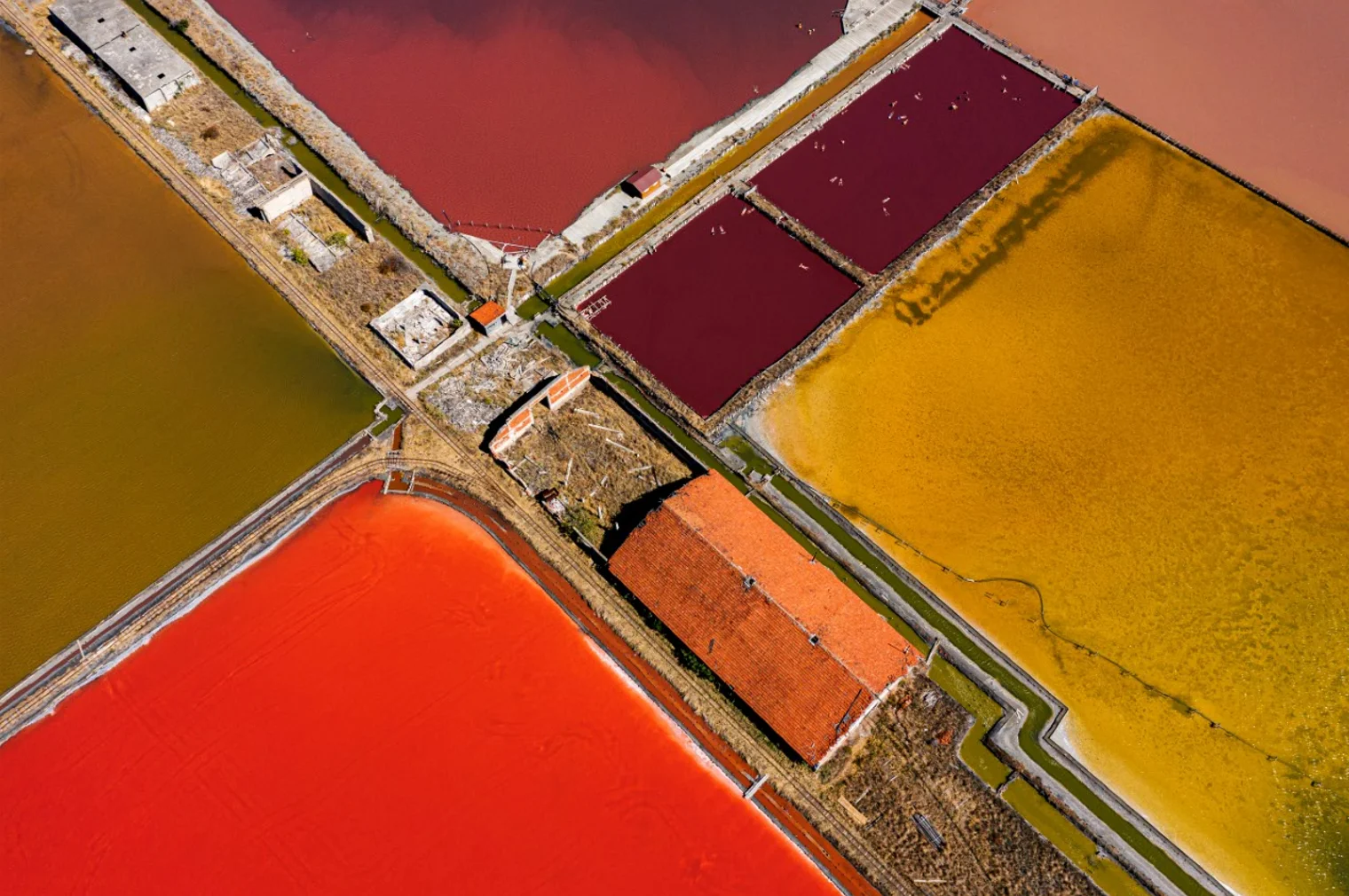
The Burgas Salt Pans represent the largest open-air spa centre in the country. The area features pools of salt water and therapeutic brine. Every summer, hundreds of people visit the Burgas mud baths and take advantage of their healing properties. The black mud promotes the rapid healing of bone fractures and treats almost all skin conditions, arthritis, herniated discs and a range of other ailments, owing to its high content of calcium, iodine and phosphorus.
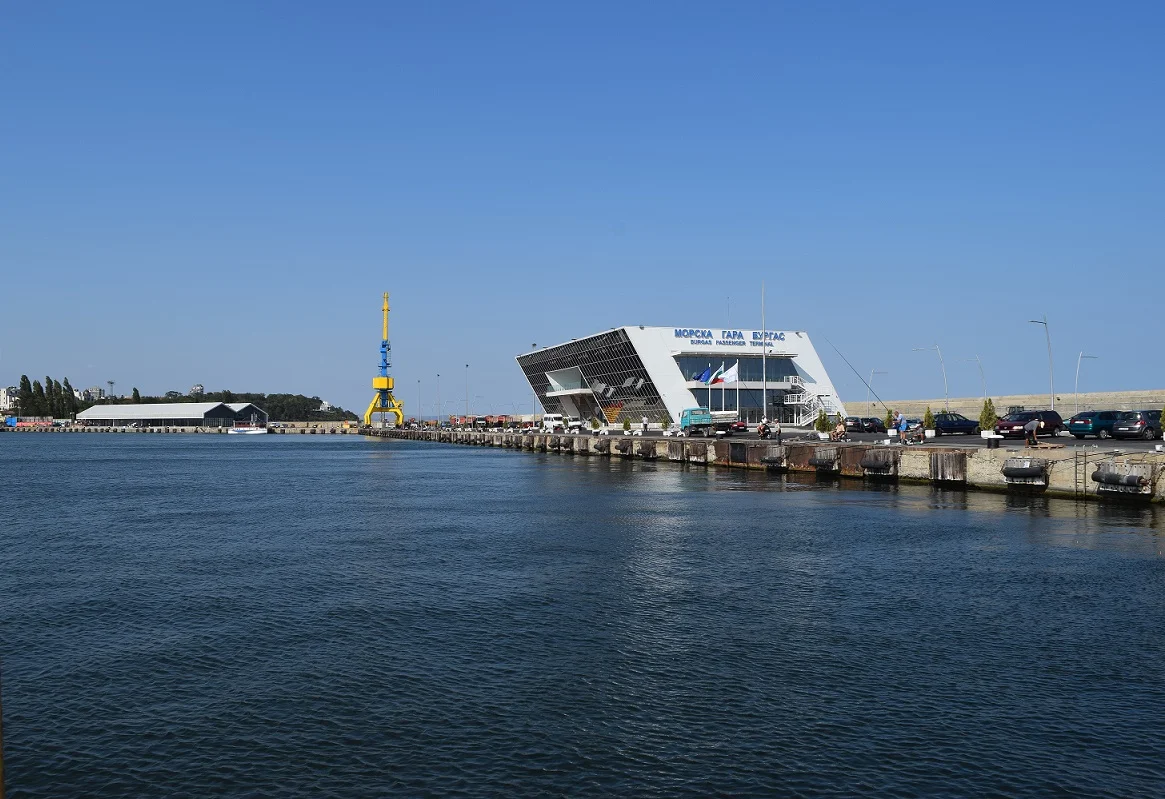
Since 2014, a Public Access Zone has been established within the territory of Port of Burgas. It is open to pedestrians, cyclists, and vehicles, with parking spaces and bicycle racks available near the Marine Station Burgas. This area is a favorite destination for both residents of Burgas and tourists, offering beautiful views, restaurants, and attractions. Located within the Public Access Zone are Magazia 1, a branch of the National Academy of Arts, Marina Port Burgas, the children’s science
Chengene Skele, Fisherman's Port or simply Chengeneto - this is a small village 15 km south of Burgas, preserving fishing traditions to this day. The name of the bay was inherited from the village of Chingane iskelesi (also Chingene Skela), which was located in this place during Ottoman times. After 1972, the boats of local fishermen were moved to this place from the Burgas port, due to its expansion. Today, the exhibition houses Taifa, Buruntia and Evksinski Pont located in the tourist complex
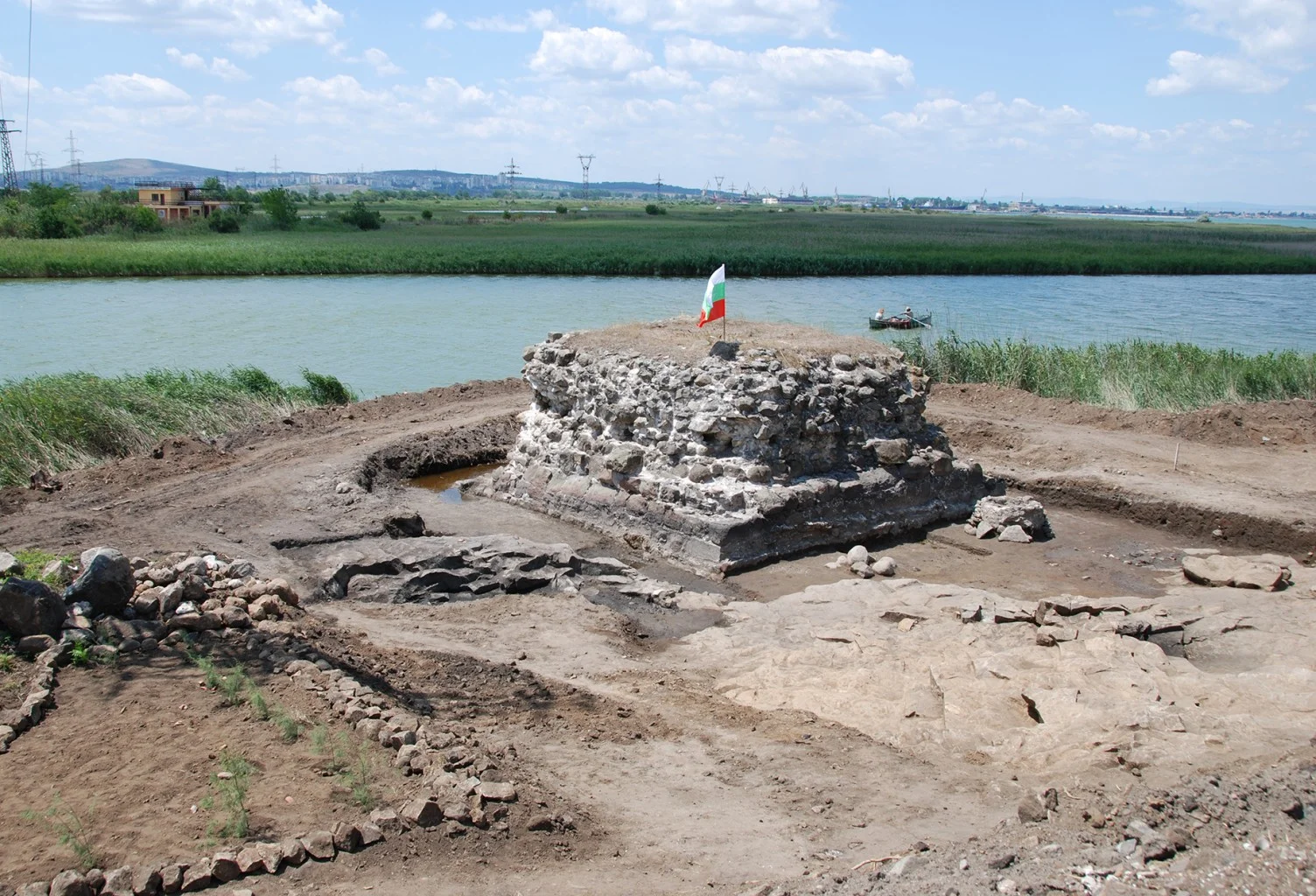
The ancient and medieval fortress of the Foros Peninsula - the predecessor of modern Burgas If you want to touch the historical spirit of Burgas and its long-kept oldest secrets, here is the place that will take you hundreds of years back... The Foros Peninsula is located in the Poda area (in the Kraimorie district of Burgas). In 2008, archaeological research was carried out for the first time, which established that there are still preserved remains of the lost city, the predecessor and symb
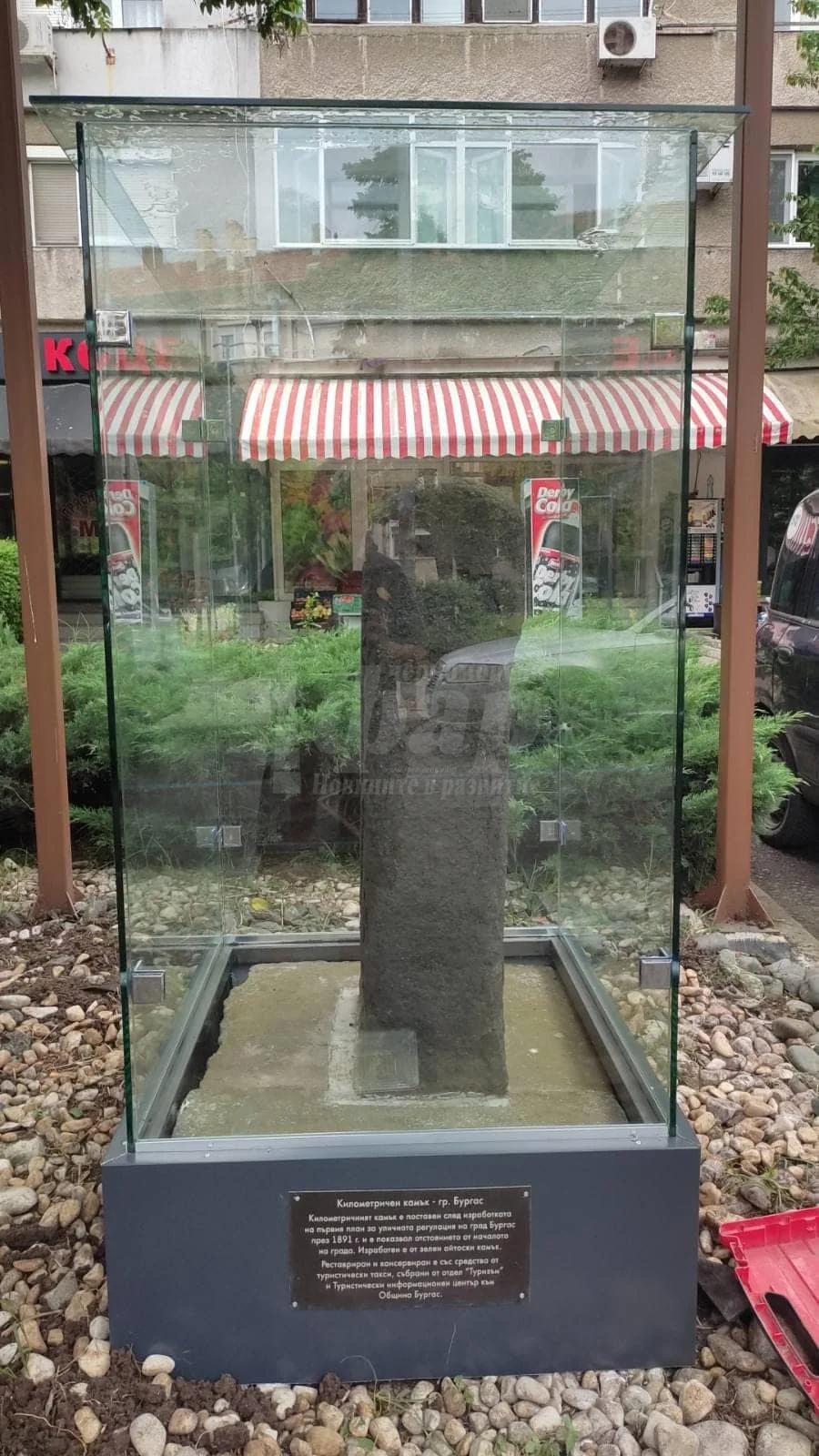
The Kilometre Stone is one of the symbols of Burgas, which in the past marked the direction and distance to the city. The stone was placed in 1891 and is today preserved in a glass display case accompanied by an informational plaque.
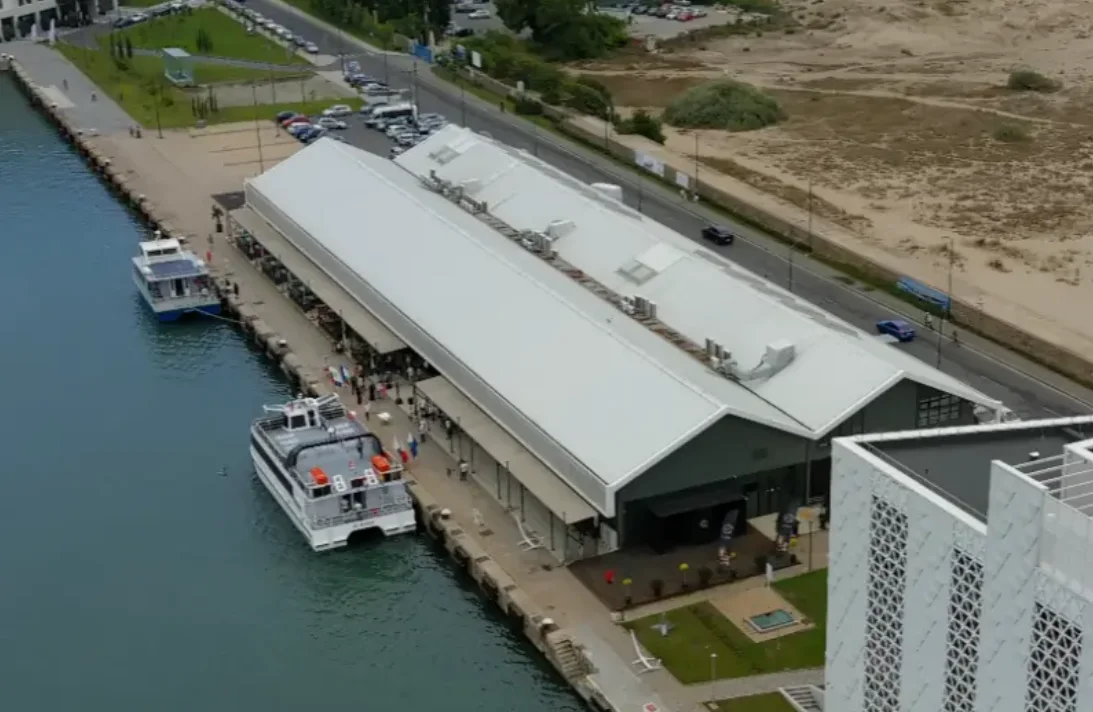
Public Access zone was established in the Port of Burgas since 2014. It is opened for pedestrians, cyclists and cars - parking spots and bike stands near Burgas passenger terminal are available. The area is a favorite of all citizens and tourists with its beautiful views, restaurants and atractions. In the Public Access zone is situated the oldest indoor port warehouse "Magazia 1". The building is reconstructed in 2016. Valuable riveted structure of the roof - type "Eiffel", is fully preserved.
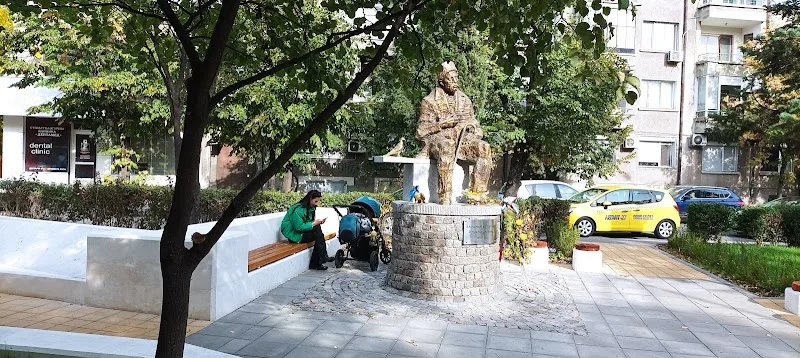
The monument to Alexander Georgiev — Kodzhakafaliyta is located on Stefan Stambolov Boulevard, in the vicinity of a school that bears his name. Alexander Georgiev Kodzhakafaliyta was born in 1830 in the village of Zidarovo. He was known for his humility and philanthropy, donating a large portion of his wealth to landless people, primarily Thracian refugees. Through the monument, created by sculptor Radostin Damaskov, the people of Burgas pay tribute to his character and legacy.
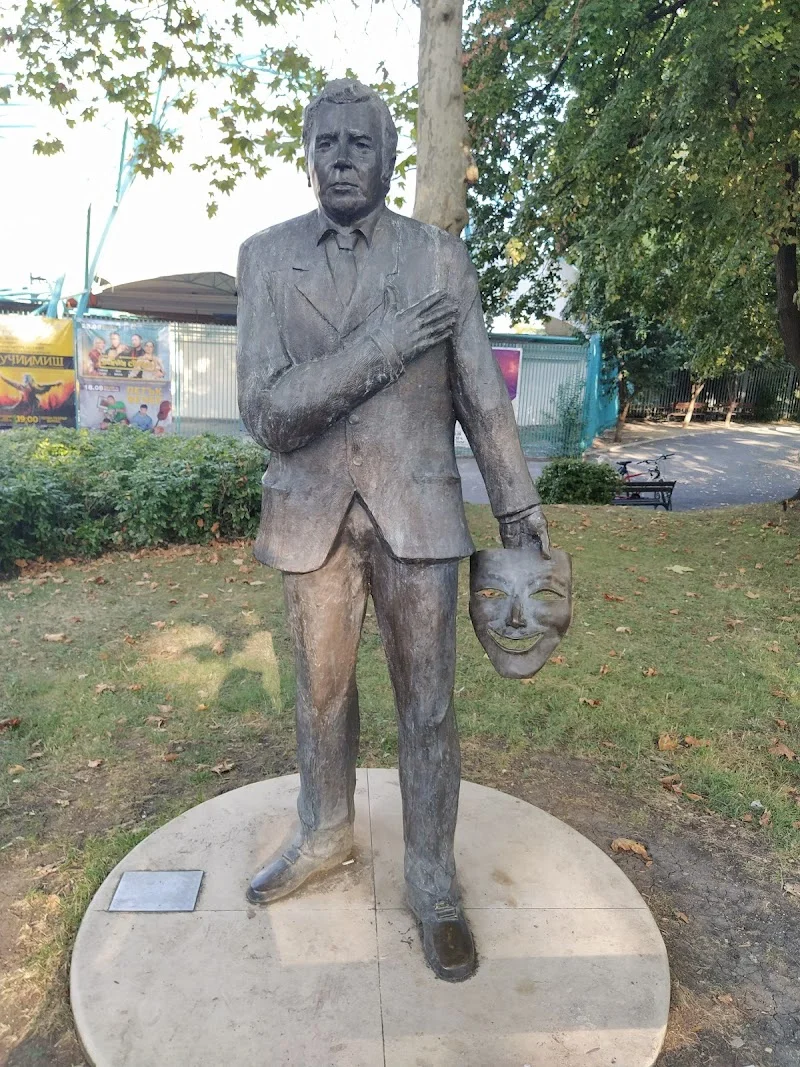
Georgi Kaloyanchev or as colleagues and friends call him - Kalata, with his bright roles in theater, cinema and television, became a national favorite of the audience. He was part of the troupe of the National Theater and was one of the founders of the Satirical Theater. He always carried his native Burgas in his heart and often says: "Burgas is my favorite city. I grew up here, here I fell in love with art and especially theater."
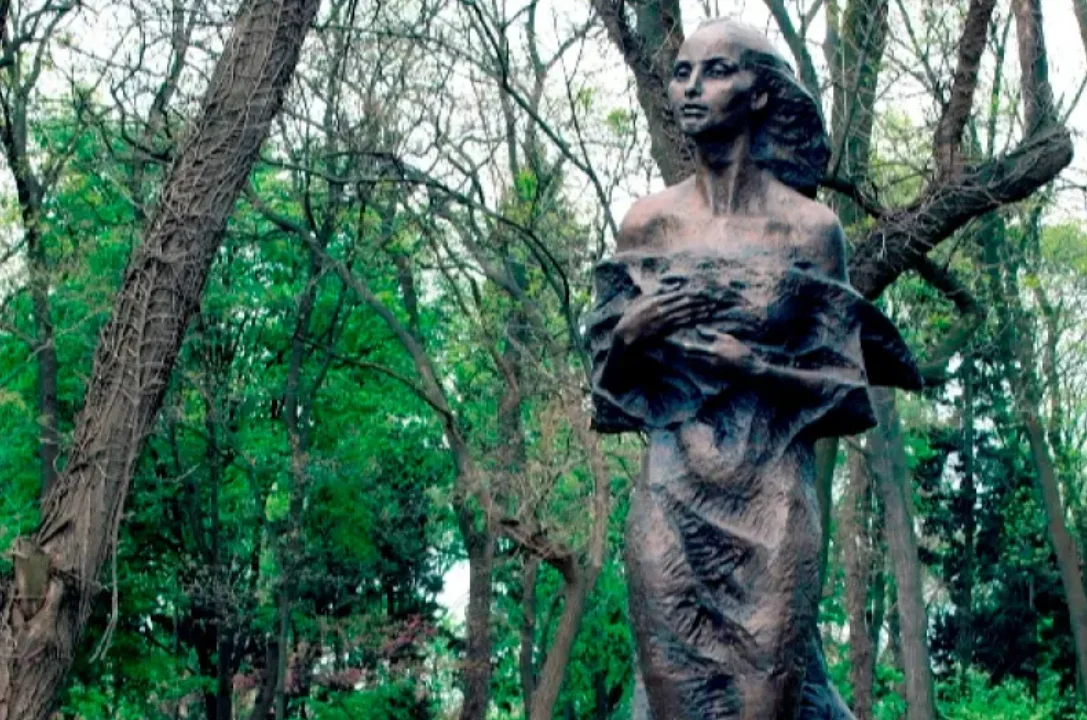
Petya Dubarova is considered one of the greatest talents in Bulgarian literature. Even when she was in first grade, the Burgas poetess was already writing poems and essays. Her teachers did not believe that these works could be written by a first grader and accused her of being written by her mother, who was a teacher. She began sending some of Petya's poems to the children's newspaper "Septemvriyche". Her first works appeared there, although the editors often doubted whether they were really wr
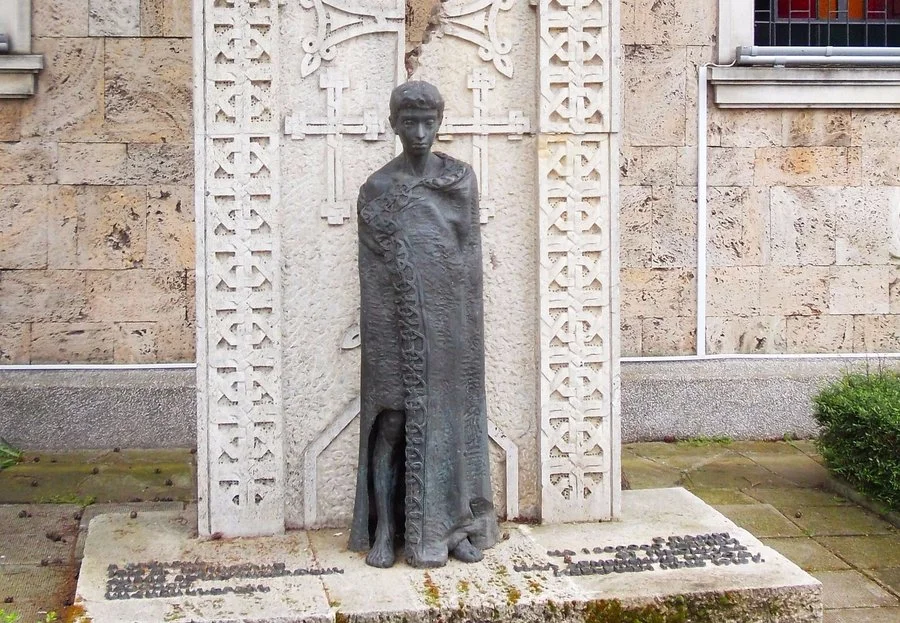
In the courtyard of the Armenian Church of the Holy Cross in Burgas stands a monument in memory of the victims of the genocide of the Armenian people. The sculpture was created in 1990 by Hari Norhayik Arabian. The Armenian Genocide was deliberately carried out by the Ottoman Empire between 1915 and 1918, and is characterized by mass massacres and the forced mass deportation of over 1,000,000 Armenians.
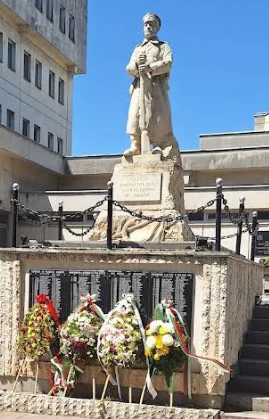
The hundreds of thousands of unknown Bulgarian soldiers who gave their lives for the ideals of a free and independent Bulgaria are an example of exceptional heroism, courage, honor and self-sacrifice. All of them are one of the greatest prides of Bulgaria, part of a Bulgarian army that amazed with its bravery, courage and great victories. These are the people you will not hear or see in textbooks, but whose unknown feat is the basis of the Bulgarian spirit and national self-confidence. The Monu
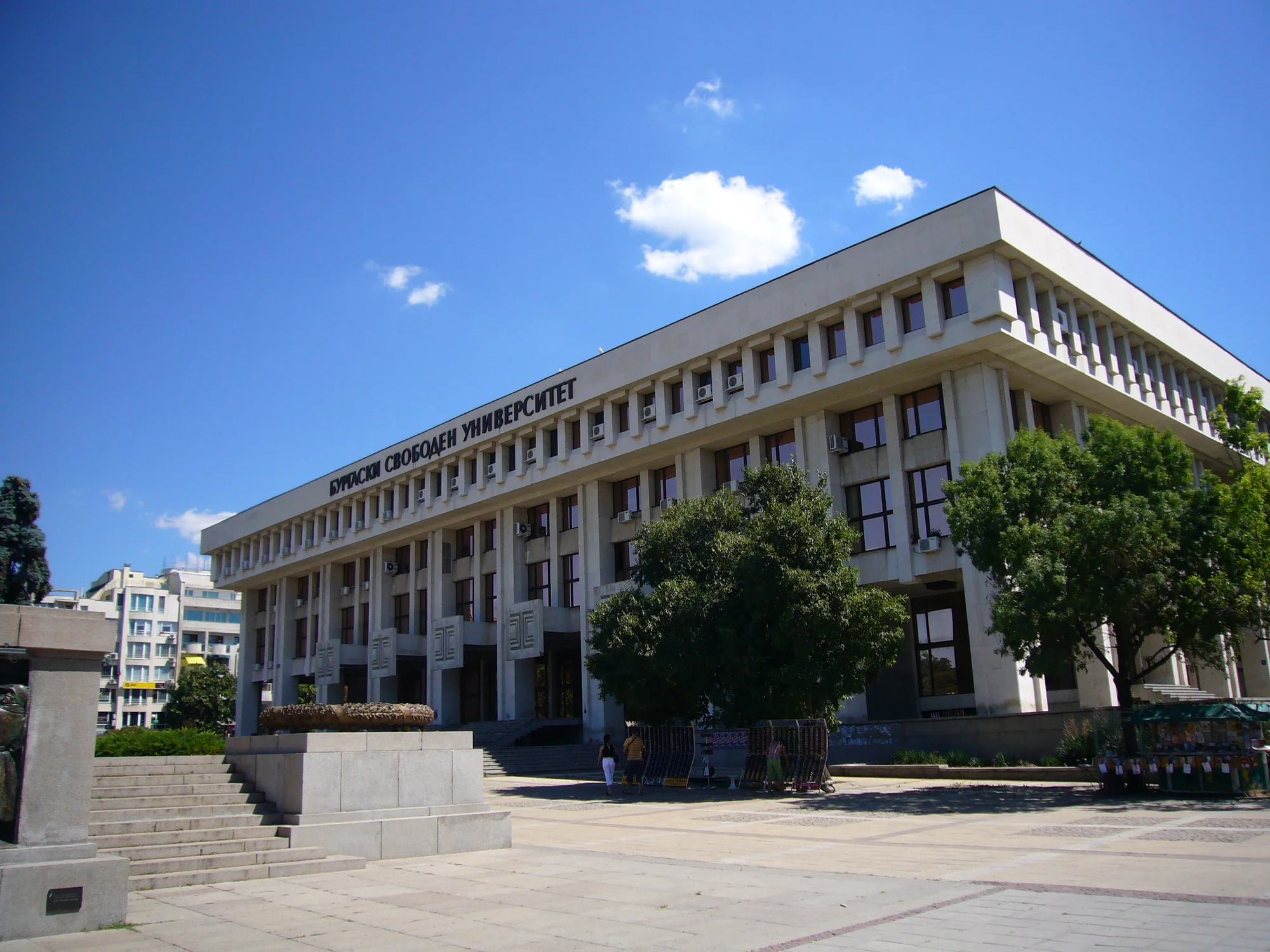
Built in the 1980s as the party headquarters of the Bulgarian Communist Party, the building has since undergone a significant change in purpose following the political transformations in the country. It was nationalised in 1990, and from 1991 served as the home of the newly established Burgas Free University. Following the university's relocation to a new building in 2004, the former party headquarters was converted into the Palace of Justice, which today brings together under one roof a distric
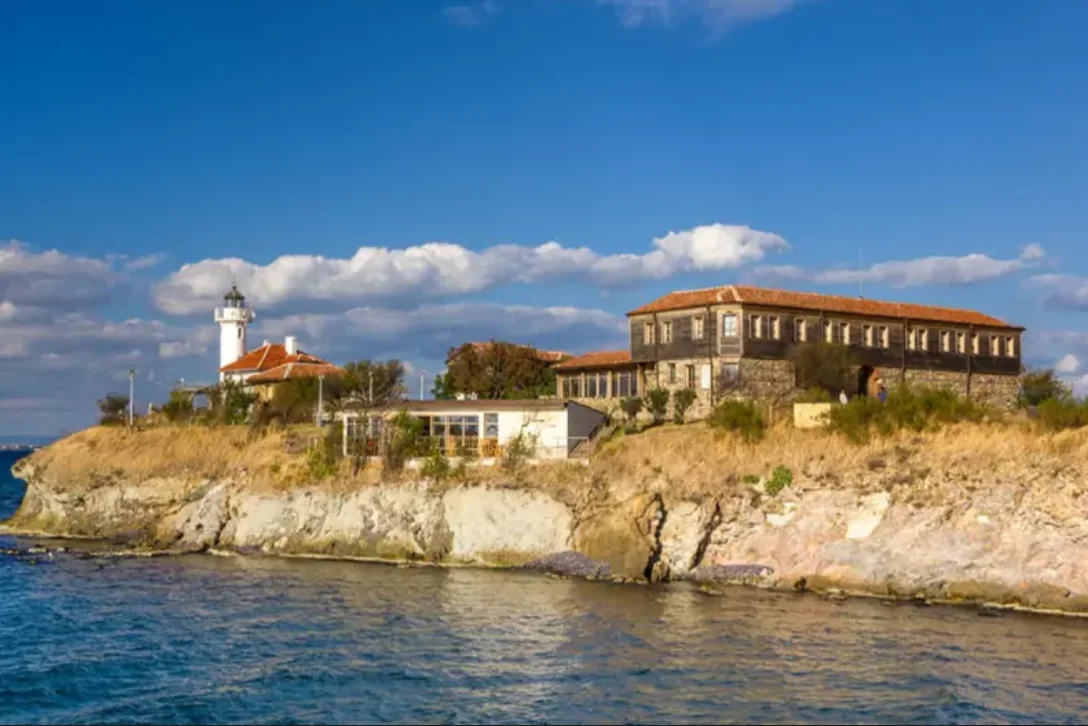
St. Anastasia Island is one of the most romantic destinations along our Black Sea coast. The island is shrouded in mystery, with hundreds of legends and stories told about it. It once served as a monastery and for a period of time also functioned as a prison. Built from volcanic rock, it covers an area of nearly 9 decares and is situated 6 km from the shore. Those with a thirst for sea and island adventure can experience the thrill of arriving by boat, light a candle in the Church of the Assumpt
A stunning Byzantine-style church dating back to the 19th century, St. Nicholas stands as a testament to Burgas's rich cultural heritage. Its intricate architectural details and striking red-brick exterior make it a captivating landmark, drawing visitors from near and far to admire its timeless beauty and explore its spiritual significance within the city's vibrant heart.
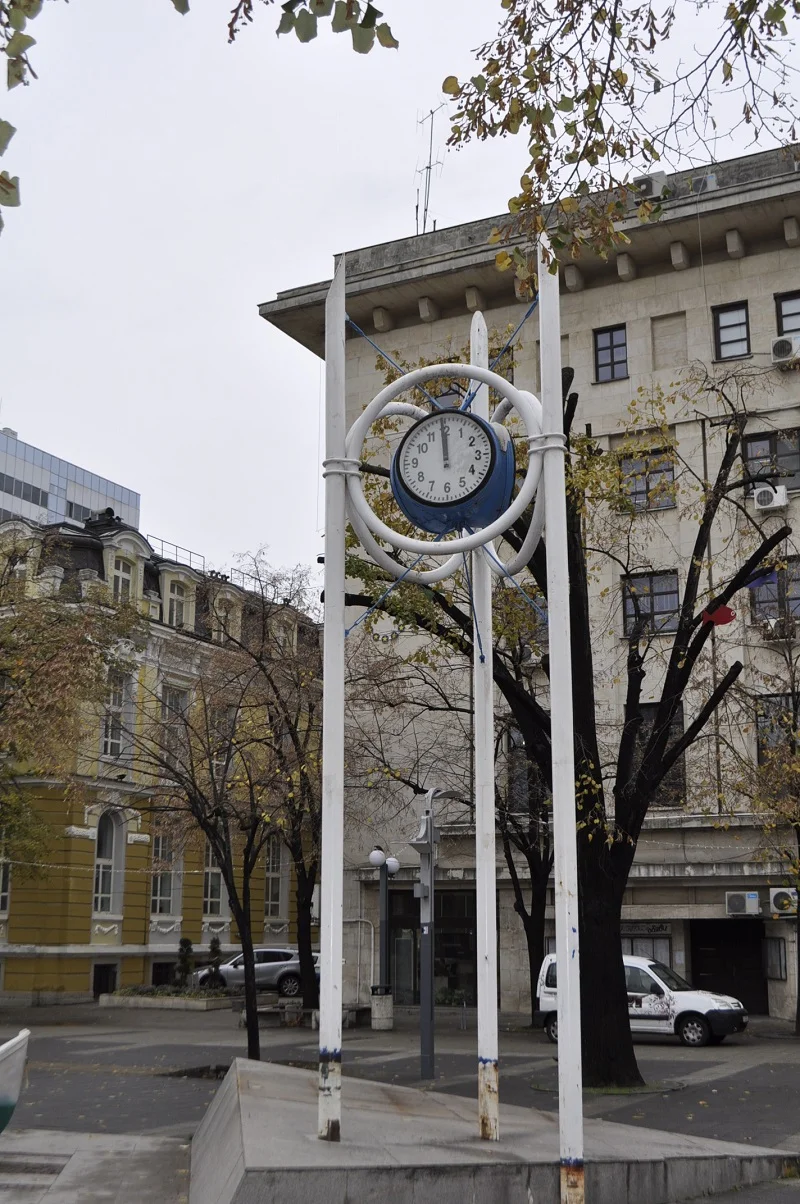
The history of the Burgas Clock intertwines twists of fate and human destinies. It all begins at the start of the last century, when two engineers — Georgi Markov and Angel Gyuzelev — were studying in Europe. They decided to find a clock to be placed in a prominent location in their city, where it would mark the passage of time. The year was 1936. The two men contacted a company from which they purchased a clock for Burgas. It was of the "Favage" brand, featuring a triple clock face, and was del
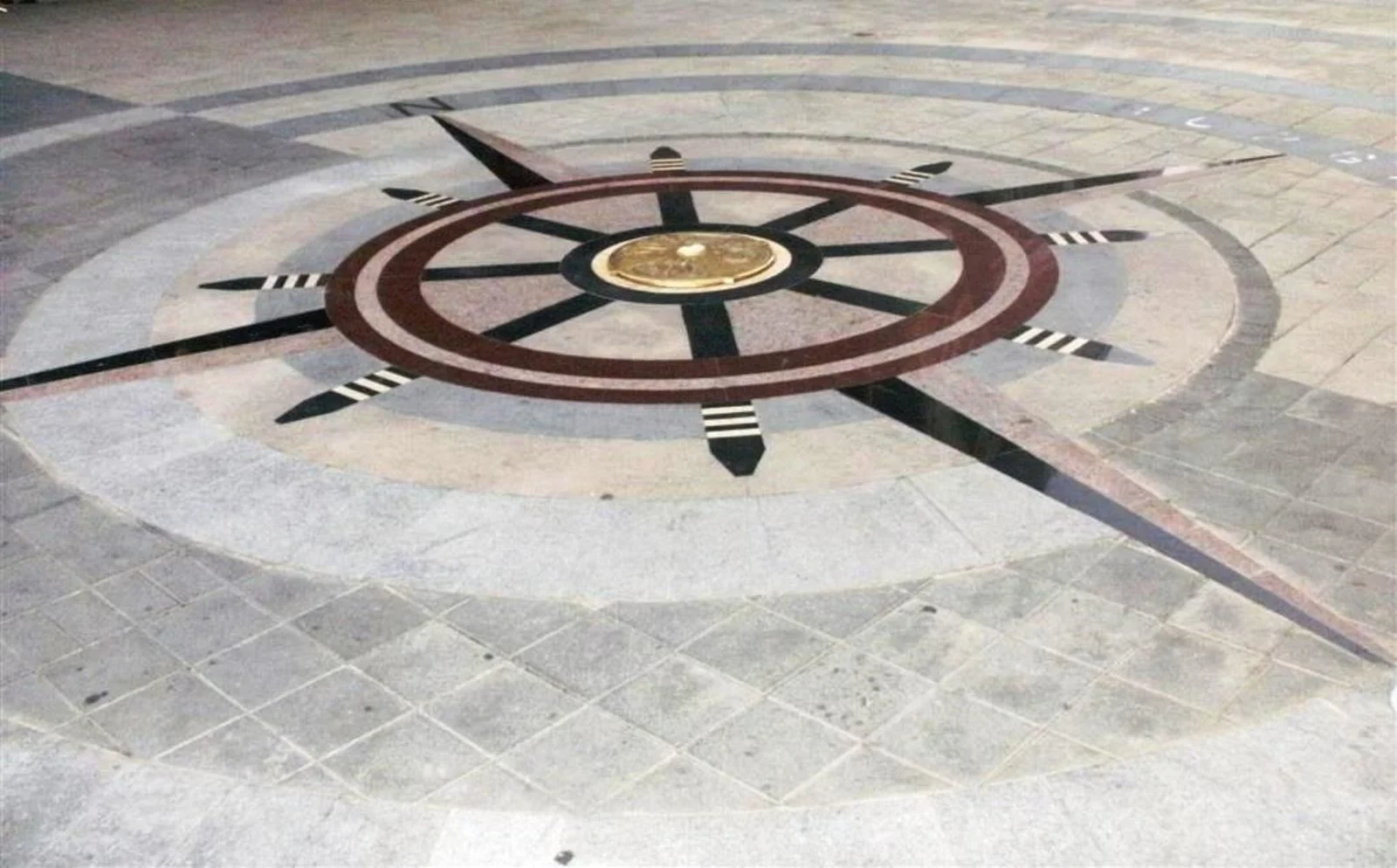
"The Compass", also known as "the navel of the city", is the place that measures the ideal centre of the city with architectural precision. It is located on the main street "Alexandrovska". The place marks the zero kilometer of Burgas and is the point by which everything else in the city is measured, even in GPS navigation. The "Compass" is a stylish decorative plaque with relief images made by the Burgas sculptor Radostin Damaskov. The designer is architect Vladimir Milkov. The plaque resembles